


Music Rhythm Battle Night
4.4424.00 Reviews
App Specs
- Version
- 1.2.9
- Updated On
- License
- Free
- Downloads
- 1,000,000+
- Developer
- HOLA GAME
- Categories
- Music
- Platform
- Android
Screenshots
 Analysis by AppCompare
I like games that make a short break feel lively without asking me to learn a complicated set of rules first. Music Rhythm Battle Night has that immediate appeal: the central idea is to follow the music with timely taps, and the bright, character-filled presentation makes it easy to understand why someone might pass a phone around and say, “Try this.” I would treat it as a casual rhythm game for brief sessions, though, rather than assume its competitive framing makes it a natural fit for every shared device or every player.
A quick turn on a shared screen
In a household, the simplest way to enjoy a rhythm game together is often to take turns: one person plays while another watches, then you compare how each attempt felt. That kind of informal handoff suits this game’s straightforward premise better than expecting everyone to play at once. The music supplies an immediate point of interest, and the visible notes give spectators something to follow, even if they are not familiar with rhythm games.
I would keep expectations modest when sharing a phone or tablet. A turn-taking setup is not the same as a family mode, and a shared device does not mean each person has a separate progress history. Before handing it over, I would check that the person using it knows which account or profile is active and what they are allowed to tap. That little pause is useful for any game that may include purchases or competitive play, especially when younger players are involved.
Set expectations before handing over the device
The game is free to start, while optional in-app purchases cost between $1.99 and $2.99 per item. That makes it sensible to agree on a purchase boundary before someone else plays: for example, let them know that unlocking something is not part of the activity unless an adult approves it. I would not assume a child understands that a game can be free to download and still offer paid extras.
For shared use, the practical question is not only whether the game costs anything to begin. It is also whether a player can tell the difference between playing a song or challenge and choosing a paid item. I would review the device’s purchase settings with the account holder and keep payment decisions with the adult responsible for the device. This is a general safeguard, not a claim that the game provides its own family controls.
Taking turns without turning it into a contest
The battle framing can make a quick session exciting, but it can also push a relaxed activity toward score comparison. If I were playing with different ages or skill levels, I would focus on trying a track and learning its rhythm rather than treating the result as a verdict on who is better. A younger or less experienced player may enjoy following the notes even when a more practiced player is more accurate.
For coordination, a simple routine helps: decide who is playing, make sure the phone is held comfortably, and give the next person time to see the screen before starting. Rhythm games reward attention, so talking over a player or passing the device mid-song can be frustrating. If the household wants a shared activity with genuine cooperative play, I would check whether the game’s available modes suit that goal rather than infer cooperation from its competitive theme.
Worth Reading Before You Choose

EA SPORTS FC Mobile 26 Is a Bigger Football Game, but It Takes Time

Flipboard Shows What News Apps Must Do Beyond the Feed

Switching to Android Auto Means Rethinking Your Driving Routine

Google Calendar Makes a Crowded Week Easier to Manage

Ludo King Makes the Most of the Minutes Between Plans

Baby Panda World Brings Quick Play to Modern Phones, but Its Game Library Feels Busy
Age, attention, and trust
The game is rated Teen, so I would take that age context seriously rather than treat its colorful look as proof that it is designed for every child. Parents and guardians can decide whether it suits a particular teen by considering the device, the people who may interact through any online play, and the young person’s readiness to handle competitive features and optional spending. A rating is a useful starting point, not a substitute for household judgment.
HOLA GAME is the developer, and the game has an average rating of 4.4 from around 11,000 ratings, with over a million installs. Those figures suggest that it has found an audience, but popularity alone does not tell me whether its style will suit someone who prefers quiet, noncompetitive play. I would let a teen try a short session and talk through any purchase expectations rather than rely on the rating or download count to make the decision for me.
Immerse Yourself in the Beat
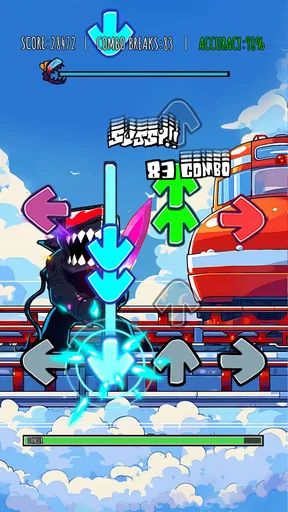
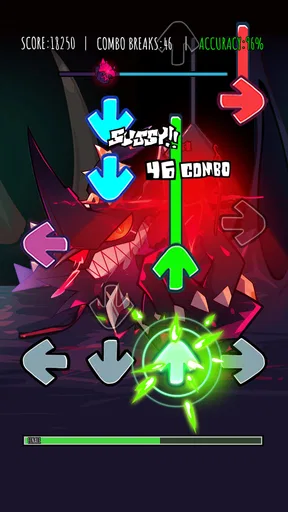
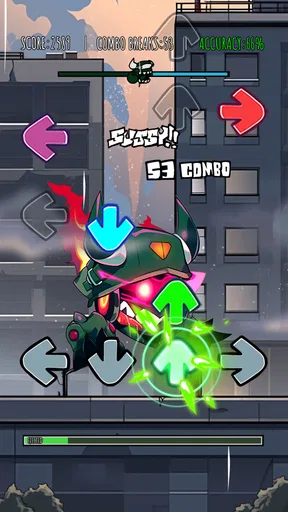
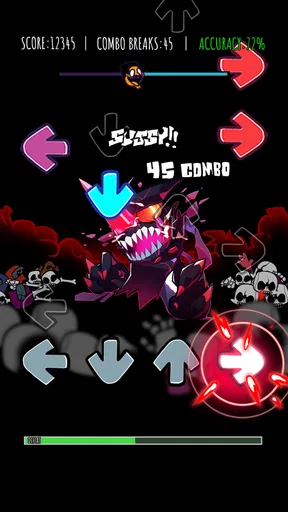
First off, the game's visuals are a delight. Right from the get-go, Music Rhythm Battle Night sucks you in with its vibrant colors and quirky characters. Each level has its own unique theme, and the graphics are crisp and engaging. It’s like stepping into a neon wonderland where everything grooves to the beat of the music.
Gameplay That Hooks You
Now, onto the gameplay, which is where Music Rhythm Battle Night truly shines. The premise is simple but addictive: match the rhythm of the music by tapping, sliding, and holding notes as they appear on your screen. Sounds straightforward, right? Well, the real challenge lies in the variety of tracks and the increasing difficulty levels.
The game features an impressive library of songs ranging from classic hits to trending tunes. Whether you’re into pop, rock, or electronic, there’s something for everyone. The best part? Each track feels like a new adventure. As you progress, the beats get faster, and the patterns become more complex, keeping you on your toes.
Challenge Your Friends
One of my favorite features is the multiplayer mode. You can challenge your friends or random players from around the globe. Nothing beats the thrill of a head-to-head battle where timing is everything. It’s a great way to test your skills and see who really has the best rhythm.
The leaderboard system adds an extra layer of competition. Climbing the ranks and seeing your name among the top players is incredibly satisfying. It's a fantastic incentive to keep improving and honing your rhythm skills.
Customization and Rewards
Another cool aspect is the customization options. You can personalize your character’s appearance and unlock new skins as you advance. It's not just about looking cool; some skins even come with special effects that make your gameplay even more exciting.
Rewards are plentiful, too. Completing challenges and winning battles earn you coins and other goodies, which you can use to unlock more songs and customization options. It’s a clever way to keep you engaged and coming back for more.
Room for Improvement
Of course, no app is perfect, and Music Rhythm Battle Night has its quirks. Occasionally, I noticed some lag during multiplayer matches, which can be a bit frustrating when you’re in the midst of a heated battle. However, these instances were rare and didn’t detract too much from the overall experience.
Also, while the free version of the game is enjoyable, there are in-app purchases that can enhance your experience. If you're not careful, these can add up, so it’s something to be mindful of if you're budget-conscious.
What works for a short everyday session
For me, the best use case is a few minutes when I want something more active than scrolling but do not have time to settle into a long game. A single attempt can give me a clear goal: watch the incoming notes, respond in time, and see whether I can handle a tougher pattern. That makes it easy to pick up during a break, while waiting for someone, or when friends are together and want a simple activity to take turns with.
A helpful way to approach a difficult track is to pay attention to the pattern rather than chase every mistake. When the pace rises, reacting to each note as a separate surprise can feel overwhelming; noticing repeated sequences gives the hands a chance to anticipate what comes next. I also find it more useful to focus on steady timing than to rush a movement just because the screen looks busy. That is a general play tip, not a guarantee that every song uses the same pattern.
Another practical trade-off is choosing the right setting for the session. If a connection feels inconsistent, I would avoid making a multiplayer match the centerpiece of a group hangout; a laggy moment is more noticeable when other people are waiting. The game’s reported multiplayer hiccups make solo practice or casual turn-taking a safer choice when reliable timing matters. Competitive play is most enjoyable when everyone is comfortable with the possibility that a match may not feel perfectly smooth.
How it compares with other rhythm games
Compared with a music player, this is plainly more demanding: listening is only part of the activity, because you are also tracking visual cues and coordinating your fingers. Compared with rhythm games built around a single-player score chase, the friend and random-player battles give this one a more social, competitive angle. That can be a strength for people who enjoy a little pressure, but it is not automatically better for someone who wants to relax with familiar music and no opponent.
It also differs from a party game that depends on everyone joining the same round. Here, the most practical shared-device approach is to take turns and compare attempts, rather than assume that the whole room can participate simultaneously. If your main goal is cooperative play, a game designed specifically around shared team decisions may be a better match. If you want quick, finger-focused challenges that can become competitive, this one has a clearer appeal.
The song selection is part of the draw described in the game experience, but I would not choose it solely on the promise of a particular genre or familiar track. Music taste is personal, and a rhythm game can feel less inviting if the available songs do not appeal to you. I would try the free game first and judge the feel of its music and note patterns for myself before spending on extras. That keeps the decision based on actual enjoyment rather than the assumption that a broad selection guarantees a perfect fit.
Who should give it a try—and who may prefer something else
I would recommend it to someone who enjoys tapping along to music, likes quick skill tests, and does not mind seeing performance turned into a contest. It can also work for friends or relatives who are happy to take turns and keep the mood light. Newcomers can understand the basic action quickly, while the quicker patterns offer a reason for a practiced player to keep improving.
I would steer away from it if you want a purely passive music experience, dislike time pressure, or find leaderboards and head-to-head results discouraging. It is also not my first pick for a household that needs separate child profiles or built-in purchase restrictions: I would not assume those tools exist. For a young player, an adult should make the age decision and handle spending boundaries on the device. If you are looking for a calm game to play while giving only half your attention, note timing may demand more focus than you want to give.
People often wonder whether they can start without paying. Yes, the game is free, though purchases are offered for $1.99 to $2.99 per item. They may also wonder whether it suits younger children; its Teen rating means I would check that carefully rather than answer with a blanket yes. And if the question is whether a household can use one device together, taking turns is a reasonable informal option, but that should not be confused with separate accounts or a dedicated family setup.
The current version is 1.2.7, and it requires Android 7.0 or later. It was released on March 5, 2023. Those are useful compatibility details if you are deciding whether an Android device can run it, but the everyday decision still comes down to whether you enjoy its pace, music, and competitive emphasis. I would start with a low-stakes session, get comfortable with the tapping and holding, and only then decide whether battles and unlockable extras make it worth returning to.
Final Thoughts
Overall, Music Rhythm Battle Night is a blast for anyone who loves music and fast-paced gameplay. Its combination of catchy tunes, challenging levels, and competitive spirit makes it a standout choice in the rhythm game genre. Whether you’re looking to kill some time or dive into a toe-tapping adventure, this game has got you covered.
So, go ahead and give it a try. Who knows? You might just discover your new favorite game!
A household verdict
For shared use, I see it as a promising turn-taking game, not a substitute for a purpose-built family or cooperative experience. The simple rhythm challenge gives people an easy way to join in at their own skill level, but online competition, optional purchases, and the Teen rating call for clear adult judgment when younger players share the device. A sensible routine is to agree on who is playing, keep purchases under the account holder’s control, and choose a relaxed practice session when a competitive match would make the group tense.
HOLA GAME’s music game is free to try and has enough immediate rhythm action to make a short break feel lively. I would recommend it to teens and adults who like timing challenges and friendly rivalry; I would skip it for anyone who wants quiet listening, guaranteed smooth online competition, or built-in household account boundaries. My overall advice is to try it casually first, see whether the songs and pace suit you, and let that experience—not the bright presentation alone—decide whether it earns a place on a shared device.
Pros
- Engaging rhythm gameplay keeps you hooked.
- Vast library of popular music tracks.
- Intuitive controls suitable for all ages.
- Regular updates with new songs and features.
- Smooth graphics enhance the gaming experience.
Cons
- Occasional in-app purchase prompts.
- Some tracks locked behind paywalls.
- Requires a stable internet connection.
- Limited offline play options.
- Ads can interrupt gameplay sessions.
FAQs for Music Rhythm Battle Night
What is Music Rhythm Battle Night?
Music Rhythm Battle Night is a dynamic music game where players engage in rhythm-based battles. It challenges users to follow musical patterns while competing against a range of in-game characters. The game offers a variety of music tracks and difficulty levels to cater to both beginners and seasoned players.
What devices are compatible with Music Rhythm Battle Night?
Music Rhythm Battle Night is available for both Android and iOS devices. It requires Android 5.0 or higher and iOS 10.0 or later. Ensure your device has enough storage space and a stable internet connection for optimal gameplay and updates.
Are there in-app purchases in Music Rhythm Battle Night?
Yes, Music Rhythm Battle Night includes in-app purchases. Players can buy additional songs, special characters, and power-ups to enhance their gaming experience. While the game is free to download, these purchases can help unlock exclusive content and features.
How can I improve my skills in Music Rhythm Battle Night?
To improve your skills, practice regularly and start with songs at a lower difficulty. Gradually increase the difficulty as you become more comfortable with the rhythm patterns. Utilize the practice mode to focus on challenging sections, and consider using headphones for better audio clarity.
Can I play Music Rhythm Battle Night offline?
Music Rhythm Battle Night requires an internet connection for downloading songs and updates. However, once songs are downloaded, you can play them offline. Keep in mind that certain features, like leaderboards and multiplayer modes, will only be accessible online.


